10 Best Sustainable European Destinations for Summer 2026
Discover how luxury travel is evolving to protect the continent's most fragile and breathtaking landscapes.
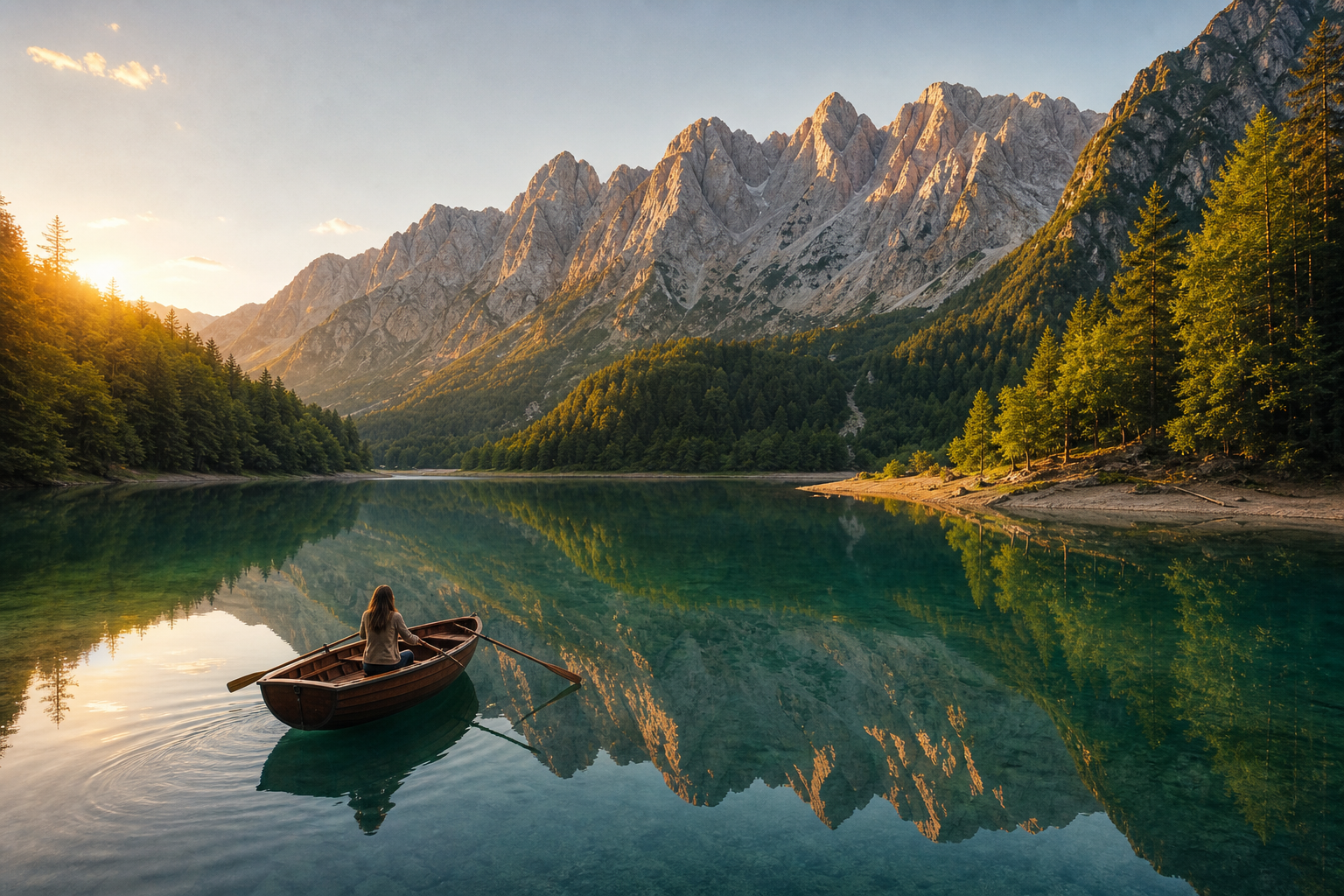
The era of the 'bucket list' selfie is fading, replaced by a more profound desire for connection, preservation, and quietude. As we look toward the warmer months, savvy travelers are seeking the best sustainable European destinations for summer 2026 to escape the suffocating density of traditional hotspots. This shift represents a move from extractive tourism to regenerative travel—where the goal is to leave a place better than you found it.
What are the best sustainable European destinations for summer 2026?
The best sustainable European destinations for summer 2026 prioritize low-carbon transport, local heritage preservation, and strict visitor caps to combat overtourism. Leading examples include Slovenia’s Julian Alps, Portugal’s Alentejo region, and the Outer Hebrides in Scotland, which offer immersive experiences that actively benefit local ecosystems and communities.
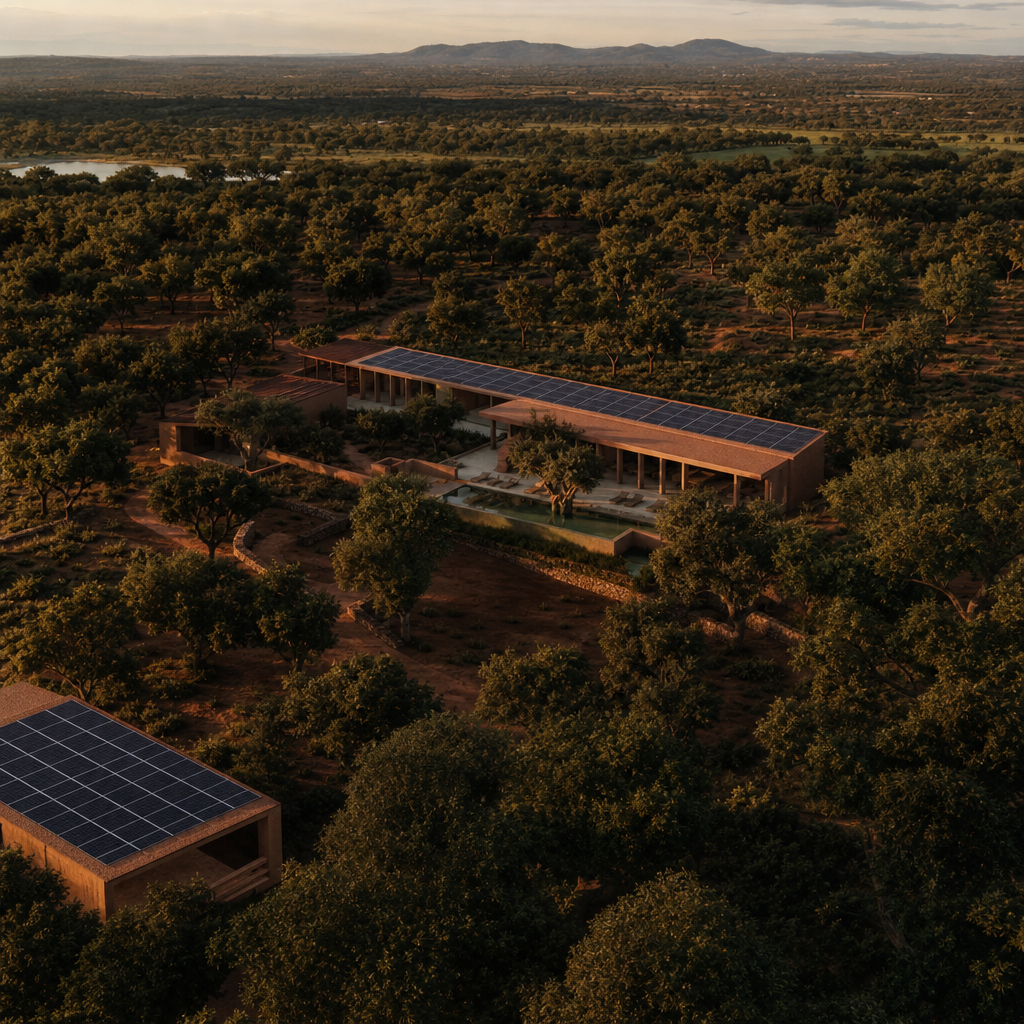 Regenerative architecture in Alentejo blends luxury with eco-restoration.
1. The Julian Alps, Slovenia: The Gold Standard
Slovenia has long been a pioneer in green tourism, being the first country to be declared a 'Global Green Destination'. The Julian Alps, specifically the Bohinj region, offer a masterclass in managing visitor flow. By integrating all-inclusive mobility cards that provide free public transport, the region has significantly reduced private car emissions.
According to the Slovenian Tourist Board, the focus for 2026 is on 'quiet zones' where motorized traffic is prohibited, ensuring that the crystalline waters of Lake Bohinj remain pristine for generations to come.
2. Alentejo, Portugal: The Slow-Travel Alternative to the Algarve
While the Algarve struggles with coastal erosion and mass occupancy, the Alentejo remains Europe's soul-stirring secret. This region defines regenerative travel. Here, luxury is found in space and silence. Solar-powered cork-oak estates like Herdade da Malhadinha Nova demonstrate how high-end hospitality can coexist with active reforestation efforts.
 Lahti's carbon-neutral urban design sets a new standard for European cities.
3. The Outer Hebrides, Scotland: Remote Resilience
Targeting the 'frontier traveler,' the Outer Hebrides are implementing sophisticated visitor management systems to protect their fragile machair ecosystems. For 2026, the focus is on the Argyll & Isles Strategic Tourism Partnership, which encourages visiting during the shoulder seasons to distribute economic benefits year-round.
"Sustainability is no longer about doing less harm; it is about doing more good for the communities we visit and the air we breathe."
4. Lahti, Finland: The European Green Capital Legacy
As a former European Green Capital, Lahti continues to set the pace. By 2026, the city aims to be a completely carbon-neutral urban hub. Its 'Green Lahti' initiative allows tourists to trade sustainable actions—such as cycling instead of driving—for local rewards like coffee or museum tickets, a concept known as Personal Carbon Trading.
5. The Pyrenees, Andorra: Beyond the Ski Slopes
Andorra is successfully rebranding as a summer bastion of biodiversity. With over 90% of the territory consisting of forest and mountains, the principality has committed to the United Nations World Tourism Organization (UNWTO) framework for sustainable mountain development. Visitors in 2026 will find a sophisticated network of e-bike trails and eco-certified mountain huts.
Why is sustainable travel essential in 2026?
Sustainable travel is essential because it addresses the environmental degradation and social friction caused by overtourism, which currently threatens the cultural integrity of 40% of European heritage sites. By choosing destinations that prioritize ecological health, travelers ensure the long-term viability of global tourism while enjoying more authentic, less crowded experiences.
| Destination | Primary Sustainability Focus | Best Month to Visit |
|---|---|---|
| Julian Alps, Slovenia | E-mobility & Water Purity | June |
| Alentejo, Portugal | Reforestation & Agritourism | September |
| Lahti, Finland | Carbon Neutrality | July |
| Outer Hebrides, Scotland | Ecosystem Protection | May |
6. Werfenweng, Austria: The Mobility Miracle
This Alpine village is a laboratory for carbon-free travel. Through the 'SAMO' (Sanfte Mobilität) initiative, guests who arrive by train or surrender their car keys are given free access to a fleet of electric vehicles, fun-mobiles, and horse-drawn carriages. It is a glimpse into a future where the best sustainable European destinations eliminate the need for fossil-fuel transport entirely.
7. Gozo, Malta: An Island Eco-Vision
Smaller and greener than its sister island Malta, Gozo is aiming to become a fully eco-island by 2030. For the 2026 summer season, the focus is on 'Agroturizmu'—connecting luxury stays with organic salt harvesting and vineyard restoration. This reduces the 'food miles' of the island's burgeoning culinary scene to near zero.
8. The Cyclades, Greece (The Hidden Gems): Sifnos and Serifos
While Santorini and Mykonos face potential visitor caps, Sifnos and Serifos are leaning into 'slow-sailing' and heritage path restoration. The Cycladic Identity initiative is currently working to preserve the ancient dry-stone walls (xerolithia) that are crucial for preventing soil erosion and supporting local flora.
9. Basque Country, Spain: Green Gastronomy
The Basque region is revolutionizing the relationship between the plate and the planet. San Sebastián’s 'Sustainable Basque' program ensures that by 2026, over 70% of restaurant ingredients in the city center are sourced within a 50km radius. This focus on localism protects small-scale farmers from the pressures of industrial agriculture.
10. Bornholm, Denmark: The Bright Green Island
Bornholm aims to be the world’s first waste-free community by 2032. For summer 2026, the island is debuting a series of 'Climate-Positive' resorts that generate more energy than they consume. Its unique 'Green Solution House' is a living laboratory for circular economy principles, where everything from the furniture to the food scraps is recycled.
"The traveler of 2026 is an investor in the future of the landscape, not just a consumer of its views."
How are European cities overcoming overtourism?
European cities are overcoming overtourism by implementing digital permit systems, introducing 'tourist taxes' dedicated to local infrastructure, and diversifying their cultural offerings to draw visitors away from saturated centers. Strategic dispersal, such as Amsterdam's 'Enjoy & Respect' campaign, successfully redirects foot traffic to lesser-known neighborhoods and nearby rural towns.
| Sustainability Metric | High-Impact Destination | Low-Impact Alternative |
|---|---|---|
| Carbon Footprint | Short-haul flight to Ibiza | Rail travel to Werfenweng |
| Plastic Impact | Bottled water in Venice | Tap water / Fountains in Lahti |
| Cultural Integrity | Souvenir shops in Dubrovnik | Artisan workshops in Sifnos |
Conclusion: The Path Forward
Choosing one of the best sustainable European destinations for summer 2026 is more than an ethical choice; it is a quality-of-life choice. In these corners of the continent, the air is cleaner, the streets are quieter, and the welcome is more genuine. As we move away from the 'quantity of sights' toward the 'quality of experiences,' these regions stand ready to define the next golden age of travel.
Frequently Asked Questions (FAQ)
What is the most sustainable way to travel across Europe in 2026?
The most sustainable method is the revamped Eurorail network, which has seen massive investment in night trains and high-speed links, cutting carbon emissions by up to 90% compared to regional flights.
How can I verify if a hotel is truly eco-friendly?
Look for recognized third-party certifications such as the EU Ecolabel, Green Globe, or B Corp status, which require rigorous auditing of energy use, waste management, and social responsibility.
Are sustainable destinations more expensive?
Not necessarily; while some eco-luxury resorts have a premium, sustainable travel often involves 'slow' methods like cycling, local dining, and staying in rural guesthouses, which can be significantly more affordable than traditional tourist traps.
“The traveler of 2026 is an investor in the future of the landscape, not just a consumer of its views.”
Get the Digest
Sharp, original reporting in your inbox. One weekly email, no noise.
Frequently asked questions
- What defines a sustainable destination in 2026?
- A sustainable destination is defined by its ability to balance tourism growth with environmental preservation, low-carbon infrastructure, and the active social well-being of its local residents.
- Which European country is the most eco-friendly for summer travel?
- Slovenia is frequently ranked as the most eco-friendly, thanks to its 'Green Scheme of Slovenian Tourism' which certifies destinations based on over 100 global sustainability indicators.
- How does regenerative travel differ from sustainable travel?
- While sustainable travel seeks to minimize negative impacts, regenerative travel aims to actively improve the destination, such as through carbon-sequestering agriculture or restoring local heritage sites.