7 Science-Backed Ways to Lower Cortisol Fast and Improve Mental Clarity
Mastering your body's master stress hormone is the key to reclaiming your focus and long-term cognitive health.
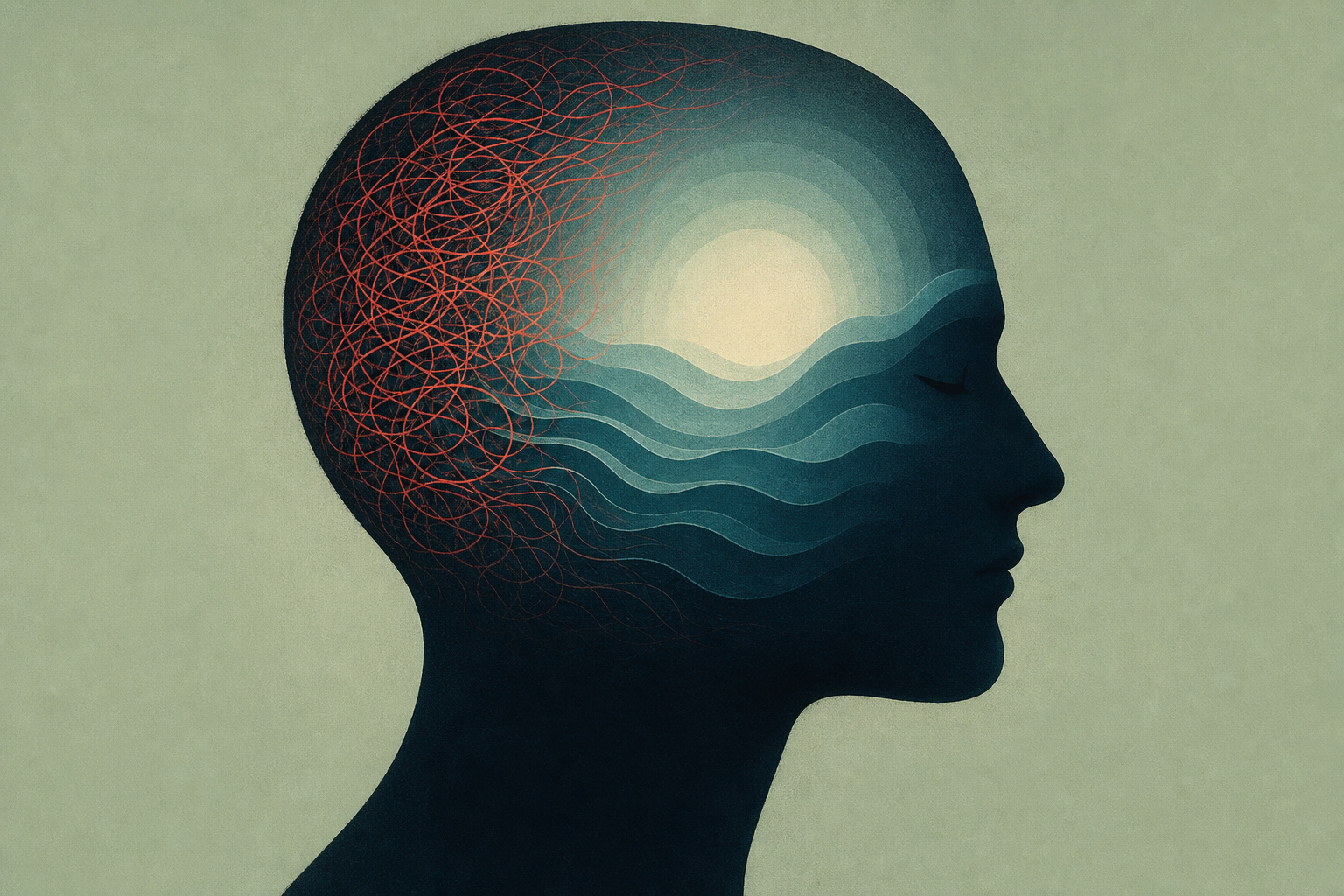
The Hidden Architect of Your Anxiety
You know the feeling: a racing heart, a mind that skips like a scratched record, and a bone-deep fatigue that no amount of coffee can cure. This is the physiological footprint of cortisol, the body’s primary stress hormone. While essential for survival, its chronic presence acts like a slow-moving toxin in the modern brain, dissolving focus and eroding memory. If you are struggling with brain fog or constant tension, learning how to lower cortisol fast is the most efficient way to recalibrate your nervous system and restore your edge.
To lower cortisol fast and improve mental clarity, you must engage the parasympathetic nervous system through physiological sighs, immediate cold exposure, or rhythmic breathing to inhibit the HPA axis. Longer-term reduction requires consistent sleep hygiene, magnesium supplementation, and limiting caffeine intake to prevent chronic spikes in glucocorticoid levels.
Why High Cortisol Destroys Your Focus
Produced by the adrenal glands, cortisol is part of the 'fight or flight' response. In short bursts, it’s a hero. But in the 21st century, the 'tiger' we are running from is usually an overflowing inbox or a looming deadline. When cortisol remains elevated, it floods the hippocampus—the brain's center for learning and memory—causing dendritic atrophy. This is why you can’t remember where you put your keys when you’re stressed; your brain is literally offline for high-level thinking.
 Spending just 20 minutes in greenery can reset your endocrine system.
1. Master the 'Physiological Sigh' for Instant Relief
If you need to know how to lower cortisol fast in the middle of a high-stakes meeting, the physiological sigh is your most potent tool. Popularized by Stanford neurobiologist Dr. Andrew Hubman, this breathing pattern is the fastest biological way to offload carbon dioxide and lower your heart rate.
How to do it:
- Inhale deeply through the nose until your lungs are nearly full.
- Take a second, shorter 'sharp' inhale on top of the first to fully expand the alveoli in your lungs.
- Exhale out of the mouth very slowly until all the air is gone.
Repeating this just two or three times sends an immediate signal to the brain’s pacemaker, the sinoatrial node, to slow down. It is a manual override for your stress response.
2. Leverage Cold Water Immersion
Cold exposure is a powerful hormetic stressor. While the initial shock feels stressful, the rebound effect is a profound drop in cortisol and a massive spike in dopamine (up to 250%, according to research in The European Journal of Applied Physiology).
"Short-term cold stress activates the sympathetic nervous system, but the subsequent recovery period significantly increases parasympathetic activity, leading to a net decrease in baseline cortisol over time."
 Magnesium glycinate is a critical cofactor for regulating the HPA axis.
3. Supplement with Magnesium Glycinate
Magnesium is often called 'Nature’s Valium.' It regulates the hypothalamic-pituitary-adrenal (HPA) axis, preventing the adrenal glands from overproducing cortisol. According to a study published in Nutrients, nearly 50% of the US population is deficient in magnesium. To improve mental clarity, choose magnesium glycinate, as it is highly bioavailable and the glycine has additional calming effects on the brain.
| Supplement Type | Primary Use Case | Cortisol Impact |
|---|---|---|
| Magnesium Glycinate | Sleep & Anxiety | High reduction via HPA regulation |
| Ashwagandha | Chronic Stress | Dramatic reduction (27-30% in trials) |
| L-Theanine | Focus & Calm | Modulates alpha brain waves |
4. Prioritize the 'Golden Hour' of Sunlight
Your cortisol levels follow a circadian rhythm known as the Cortisol Awakening Response (CAR). Cortisol should be highest 30 minutes after waking to give you energy, and then drop throughout the day. If you don't get natural light in your eyes early in the morning, this rhythm breaks, leading to 'tired but wired' feelings at night.
Science Tip: Get 5-10 minutes of direct sunlight (not through a window) within the first hour of waking. This triggers a timed release of melatonin for 12-14 hours later, ensuring you can sleep—the ultimate cortisol killer.
5. Implement 90-Minute Focus Blocks
Trying to multitask is a primary driver of sustained cortisol elevation. When you switch tasks, your brain experiences "attention residue," which increases cognitive load. Use the Ultradian Rhythm approach: work for 90 minutes of focused effort followed by a 15-minute break where you do nothing digital. This prevents the cumulative 'stress climb' that happens during a typical eight-hour workday.
6. Use the 'Forest Bathing' Effect
Research from Japan on Shinrin-yoku (forest bathing) proves that just 20 minutes in a green space significantly lowers salivary cortisol levels. It isn't just about the peace; trees emit phytoncides (antimicrobial allelochemicals) that humans breathe in, which have been shown to lower blood pressure and boost immune function.
7. Limit Caffeine After 12:00 PM
Caffeine has a half-life of about 5–6 hours. If you have a cup of coffee at 4:00 PM, half of that caffeine is still in your system at 10:00 PM. While caffeine doesn't always cause stress, it amplifies the cortisol response to existing stressors. To optimize your chemistry for mental clarity, cap your intake early in the day.
Comparing Long-term vs. Short-term Cortisol Strategies
| Strategy | Speed of Effect | Best For |
|---|---|---|
| Physiological Sigh | < 30 Seconds | Acute Panic/Meeting Stress |
| Cold Shower | < 5 Minutes | Resetting Mood/Morning Alertness |
| Magnesium | 3 - 5 Days | Improving Sleep Quality |
| Morning Light | 7 - 14 Days | Fixing Circadian Rhythm/Energy |
"High cortisol is not a character flaw; it is a physiological state. You cannot think your way out of a cortisol spike; you must act your way out via the body."
Frequently Asked Questions (FAQ)
How can I tell if my cortisol is too high?
Common symptoms of chronically high cortisol include 'buffalo hump' (fat at the base of the neck), weight gain around the midsection, frequent brain fog, and a 'tired but wired' feeling at night where you are exhausted but cannot sleep.
Does exercise lower or raise cortisol?
Intense, long-duration exercise (over 60 minutes) actually increases cortisol temporarily. To lower cortisol, opt for resistance training under 45 minutes or low-intensity steady-state (LISS) cardio like walking, which has been shown to clear the hormone from your system.
Can certain foods lower cortisol levels?
Yes, anti-inflammatory foods like fatty fish (rich in Omega-3s) and fermented foods (which support the gut-brain axis) are clinically shown to reduce systemic inflammation, which in turn signals the adrenals to produce less cortisol.
Summary for Mental Clarity
Regulating your stress response is the foundation of high performance. By utilizing the physiological sigh, getting morning sunlight, and supplementing with magnesium, you can essentially 'reprogram' your brain to stay calm under pressure. Lowering cortisol isn't just about feeling better; it's about protecting your long-term cognitive health and ensuring your brain remains sharp, clear, and resilient.
“You cannot think your way out of a cortisol spike; you must act your way out via the body.”
Get the Digest
Sharp, original reporting in your inbox. One weekly email, no noise.
Frequently asked questions
- What is the fastest way to lower cortisol?
- The fastest way to lower cortisol is through the 'Physiological Sigh'—two quick inhales through the nose followed by a long exhale through the mouth—which immediately engages the parasympathetic nervous system.
- Does caffeine increase cortisol?
- Yes, caffeine can double the levels of cortisol and epinephrine in the blood, and its effects are magnified if you are already under psychological stress.
- Why does stress cause brain fog?
- High cortisol levels flood the hippocampus, the brain's memory center, which impairs cognitive function and leads to the sensation known as brain fog.