World Cup 2026: The Complete Guide to All 16 Host Cities and Stadiums
A definitive strategist's manual for navigating the largest sporting event in human history across the United States, Canada, and Mexico.
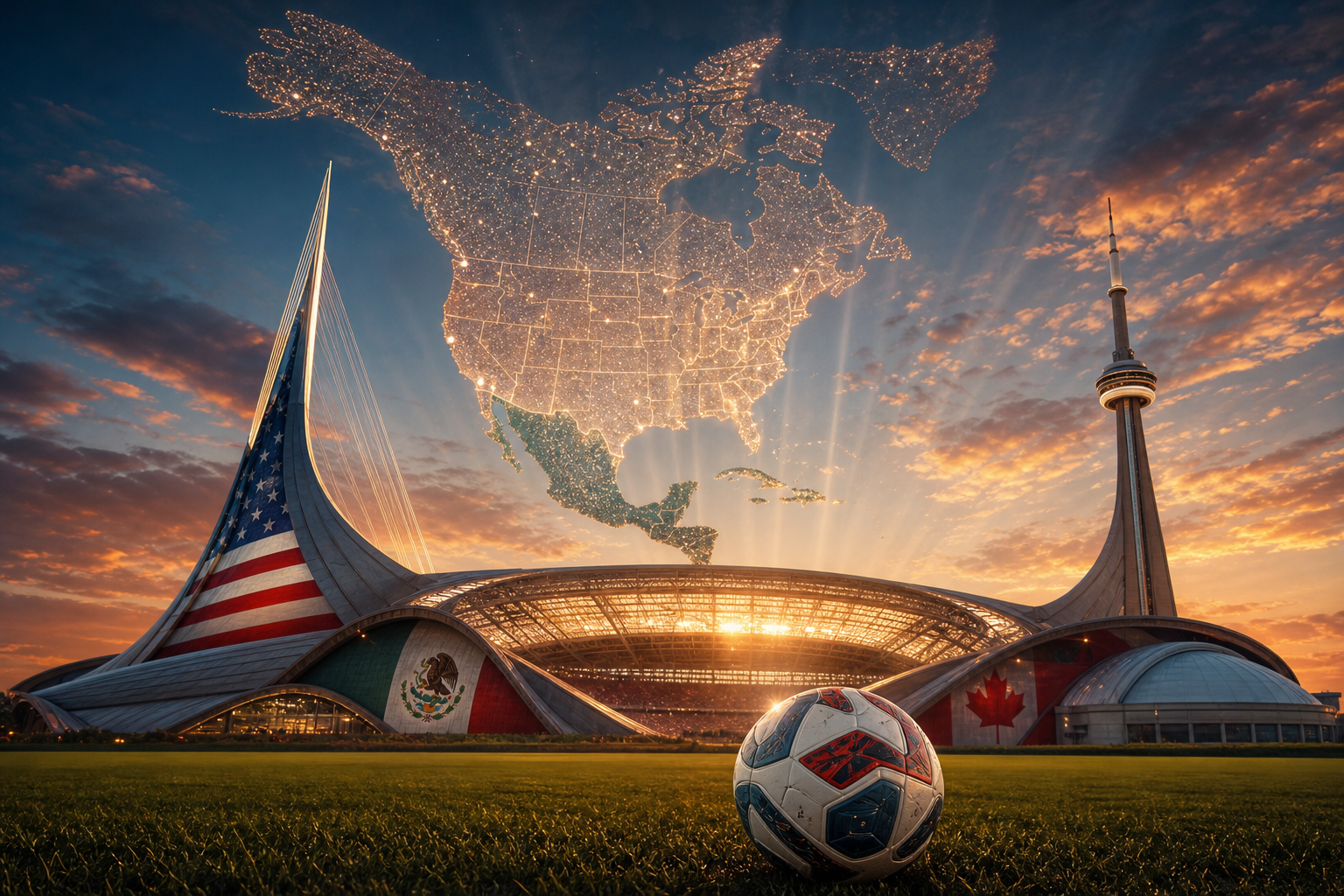
The dawn of a new era in global athletics is approaching. In the summer of 2026, the FIFA World Cup will undergo a radical transformation, expanding to 48 teams and spanning an entire continent. From the high-altitude thin air of Mexico City to the humid coastal plains of Miami, the World Cup 2026: The Complete Guide to All 16 Host Cities, Stadiums, and Travel Logistics is your essential roadmap for this unprecedented sporting odyssey. Whether you are a die-hard supporter or a tactical enthusiast, understanding the vast geography of this tournament is the key to mastering the experience.
World Cup 2026 is the 23rd edition of the FIFA World Cup, featuring 48 national teams playing 104 matches across 16 host cities in the United States, Canada, and Mexico. It is the first tri-nation hosted tournament in history, beginning on June 11, 2026, at the iconic Estadio Azteca and concluding on July 19 at MetLife Stadium.
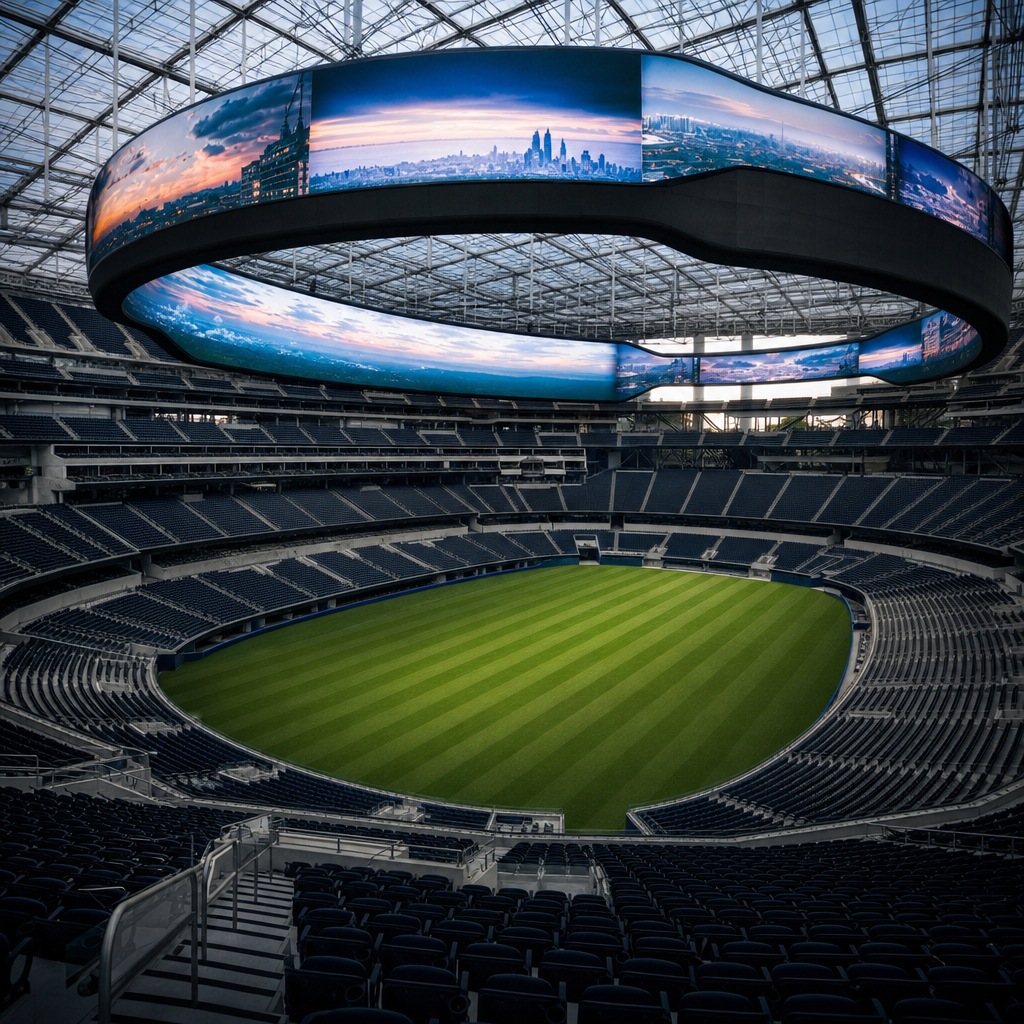 The 'Infinity Screen' at SoFi Stadium represents the high-tech future of the 2026 tournament.
TL;DR: The Quick Stats for 2026
- Total Teams: 48 (Expanded from 32)
- Total Matches: 104
- Host Nations: USA (11 cities), Mexico (3 cities), Canada (2 cities)
- Final Venue: MetLife Stadium, East Rutherford, NJ
- Opening Match: Estadio Azteca, Mexico City
What are the 16 Host Cities for World Cup 2026?
FIFA has organized the 16 host cities into three distinct geographic regions—West, Central, and East—to minimize travel fatigue for teams and fans. However, the sheer scale of North America remains the primary logistical challenge.
The Western Region
- Vancouver (BC Place): A picturesque Pacific hub known for its temperate climate.
- Seattle (Lumen Field): Famous for its thunderous atmosphere and passionate soccer culture.
- San Francisco Bay Area (Levi’s Stadium): Located in Santa Clara, the heart of Silicon Valley.
- Los Angeles (SoFi Stadium): The most expensive stadium ever built, offering a high-tech viewing experience.
- Guadalajara (Estadio Akron): The home of Mexican football tradition.
The Central Region
- Kansas City (Arrowhead Stadium): The "Soccer Capital of America" with a legendary tailgating scene.
- Dallas (AT&T Stadium): A futuristic marvel with a retractable roof and a massive video board.
- Houston (NRG Stadium): A climate-controlled environment vital for the Texas summer heat.
- Atlanta (Mercedes-Benz Stadium): A high-capacity venue with a unique pinwheel roof design.
- Monterrey (Estadio BBVA): Set against the stunning backdrop of the Cierro de la Silla mountain.
- Mexico City (Estadio Azteca): The only stadium to host three World Cup opening matches.
The Eastern Region
- Toronto (BMO Field): Expanding its capacity specifically for this global event.
- Boston (Gillette Stadium): A historic sports market with deep international ties.
- Philadelphia (Lincoln Financial Field): A central hub for the Northeast corridor.
- Miami (Hard Rock Stadium): The gateway to the Americas, promising a vibrant party atmosphere.
- New York/New Jersey (MetLife Stadium): The grand stage for the tournament final.
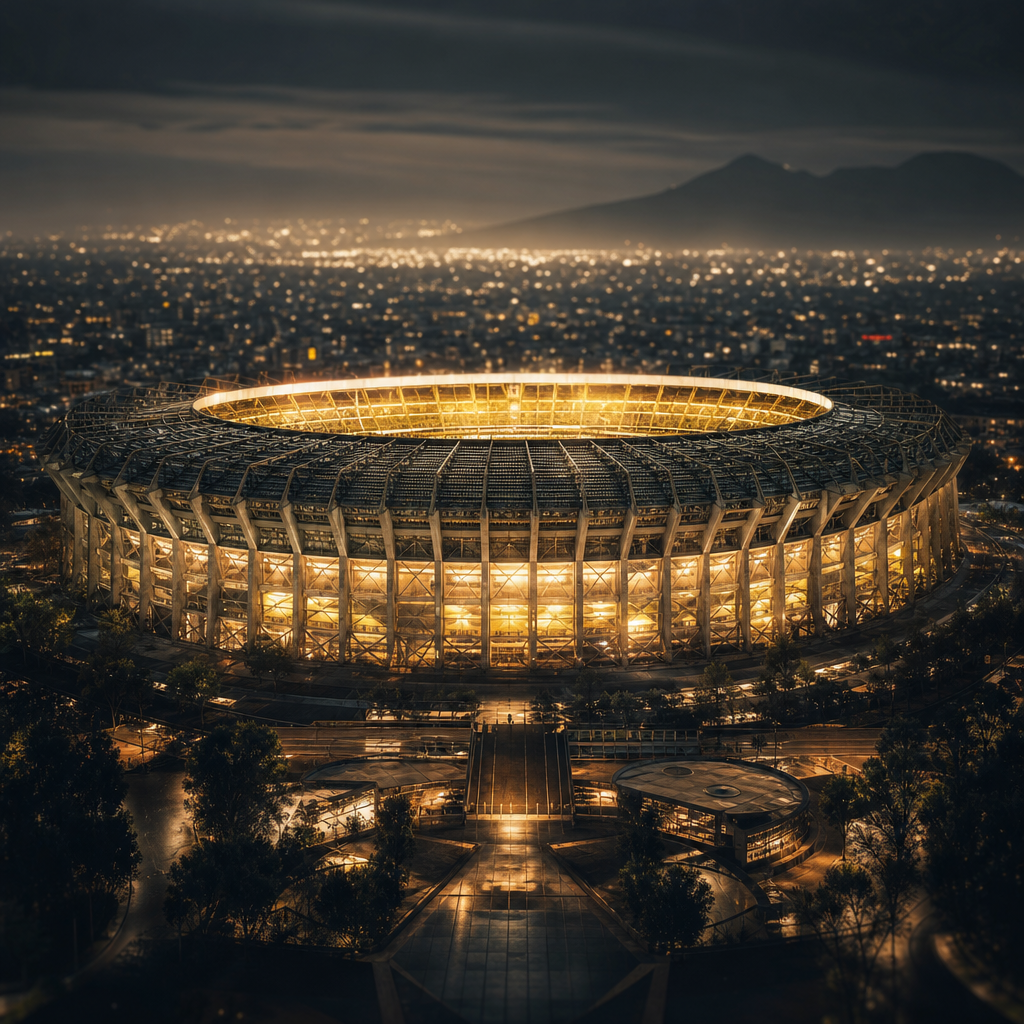 Estadio Azteca will become the first stadium to host three World Cup opening matches.
How will travel logistics work across three countries?
Traveling for World Cup 2026 requires meticulous planning due to the vast distances between venues. Unlike the compact footprint of Qatar 2022, fans may face five-hour flights between matches.
"The 2026 World Cup will be a 'Flight-Based' tournament. Fans should expect to utilize major airline hubs like Atlanta, Dallas-Fort Worth, and Chicago to navigate the three-nation layout."
According to FIFA's scheduling strategy, teams will be clustered in specific regions during the group stages to reduce carbon footprints and athlete fatigue. However, fans following their nations into the knockout rounds must prepare for significant time zone jumps.
Comparison of Regional Travel Demands
| Region | Primary Transport | Climate Profile | Time Zone |
|---|---|---|---|
| West Coast | Air / Rail (Amtrak) | Temperate/Mediterranean | Pacific (PT) |
| Central | Air / Car | High Humidity / High Heat | Central (CT) |
| East Coast | Rail (Acela) / Air | Humid Subtropical | Eastern (ET) |
What are the standout stadiums to watch?
The venues selected for World Cup 2026 are some of the most technologically advanced in the world. Several are home to NFL franchises, meaning they are built for massive crowds and high-definition broadcasting.
AT&T Stadium (Dallas) vs. SoFi Stadium (Los Angeles)
These two venues represent the pinnacle of American stadium architecture. Dallas offers a massive 80,000+ capacity in a climate-controlled "palace," while SoFi Stadium in Inglewood offers an open-air feel with a translucent roof and a 360-degree dual-sided 4K video board.
The Science of Performance: Altitude and Heat
One of the most overlooked aspects of the World Cup 2026: The Complete Guide to All 16 Host Cities, Stadiums, and Travel Logistics is the physiological impact on players.
Mexico City sits at an elevation of 7,350 feet (2,240 meters). According to the Journal of Applied Physiology, athletes playing at high altitudes experience reduced oxygen saturation, which can lead to faster fatigue. Conversely, cities like Miami and Houston will present extreme humidity, requiring sophisticated cooling technology and hydration protocols. FIFA has confirmed that all stadiums will meet strict temperature-controlled requirements, but the training camps will be where the real adaptation happens.
Pro Tip: When booking travel, prioritize cities with major international airports (JFK, ATL, LAX, DFW) to ensure more flight options and competitive pricing during the tournament peak.
How to get tickets and lodging?
Tickets for World Cup 2026 are expected to be distributed via a lottery system on the official FIFA website. A common pitfall for international travelers in North America is underestimating the cost of suburban lodging. Since many stadiums (like Levi’s or Gillette) are located 30-45 minutes outside their namesake cities, travelers should look for hotels near transit lines rather than city centers to save on both time and money.
Stadium Capacity Comparison
| Stadium | Location | FIFA Capacity (Est.) | Grass Surface |
|---|---|---|---|
| MetLife Stadium | East Rutherford | 82,500 | Temporary Natural |
| Estadio Azteca | Mexico City | 87,500 | Natural |
| BMO Field | Toronto | 45,000 | Hybrid |
| Mercedes-Benz | Atlanta | 71,000 | Temporary Natural |
FAQ: Your 2026 World Cup Questions Answered
Do I need a separate visa for each country? Generally, no if you have a passport that allows visa-free entry to the US, Canada, and Mexico. However, you will need to check specific requirements like the US ESTA or Canada's eTA. FIFA is working with all three governments to streamline entry for ticket holders.
Which city will host the World Cup 2026 Final? MetLife Stadium in East Rutherford, New Jersey (representing New York City), has been officially selected by FIFA to host the final on July 19, 2026.
Will matches be played on grass or turf? FIFA requires all matches to be played on high-quality natural grass. Stadiums that currently use artificial turf, such as Lumen Field or Mercedes-Benz Stadium, will install temporary natural grass systems for the duration of the tournament.
How can I travel between Mexico and the USA? The most efficient way to travel between the Mexican host cities (Mexico City, Guadalajara, Monterrey) and the US hubs is via air. Direct flights from Mexico City to Dallas or Houston take approximately 2 to 3 hours.
Final Verdict: Is 2026 the Best World Cup for Fans?
With 104 matches, the sheer volume of football is unparalleled. The infrastructure in North America is built for large-scale events, meaning shorter concession lines and better sightlines than many European or South American venues. While the travel distances are daunting, the diversity of cultures—from the poutine of Toronto to the tacos of Guadalajara—makes this a once-in-a-lifetime cultural expedition. Plan early, book your flights six months in advance, and prepare for a continental celebration of the beautiful game.
“The 2026 World Cup isn't just a tournament; it is a three-nation takeover of a whole continent.”
Get the Digest
Sharp, original reporting in your inbox. One weekly email, no noise.
Frequently asked questions
- Where is the World Cup 2026 final being played?
- The final will be played at MetLife Stadium in East Rutherford, New Jersey, on July 19, 2026.
- How many teams are in the 2026 World Cup?
- The tournament has expanded to 48 teams, up from the previous 32-team format used since 1998.
- Are the 2026 World Cup host cities in different time zones?
- Yes, matches will span four major time zones (Pacific, Mountain, Central, and Eastern), making scheduling a critical logistical factor for fans and broadcasters.