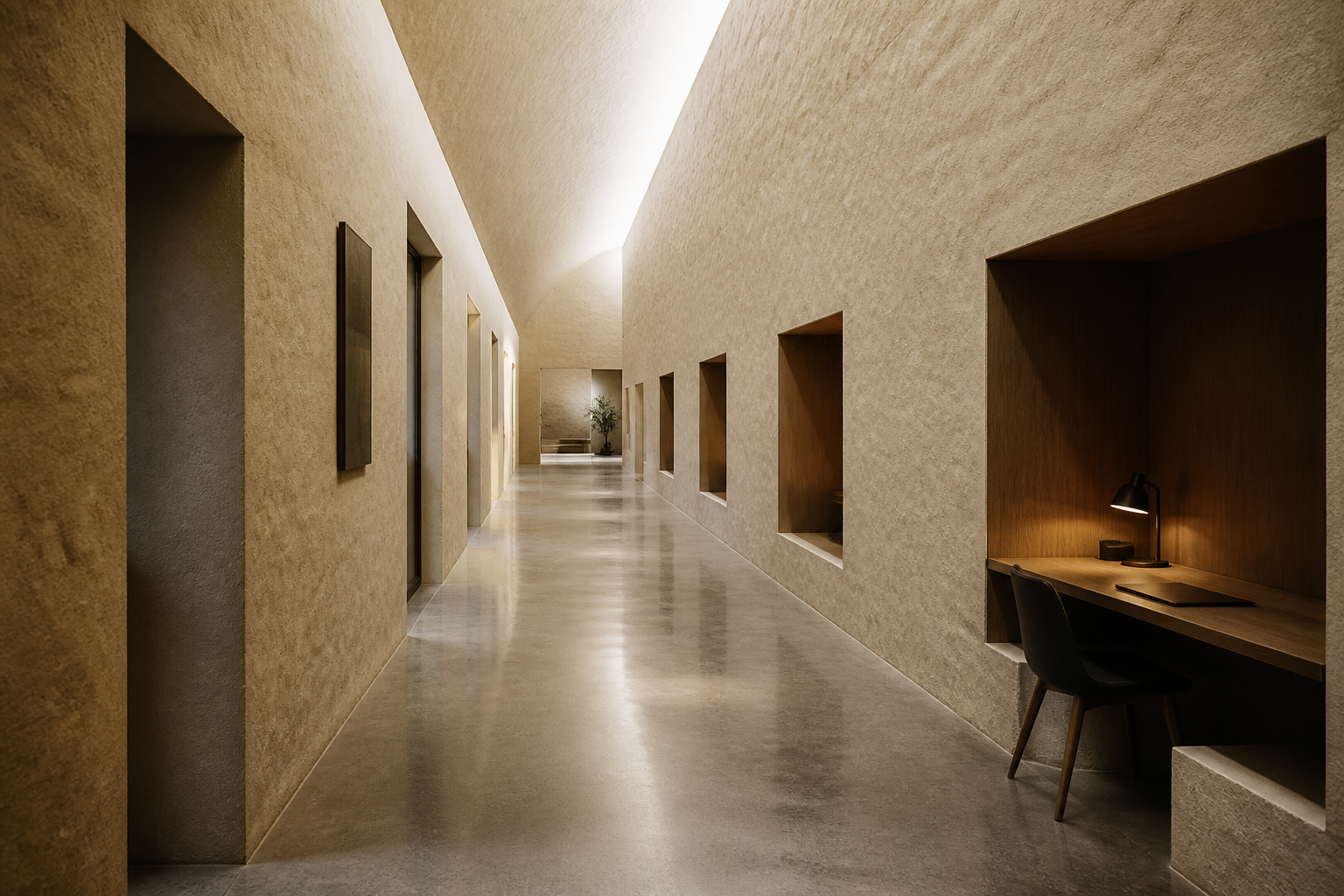
The Mindful Home: A Guide to Neuro-Aesthetic Interior Design
It’s more than just good taste—it’s science. Here’s how to harness the power of neuroaesthetics to design a home that actively improves your mental well-being.
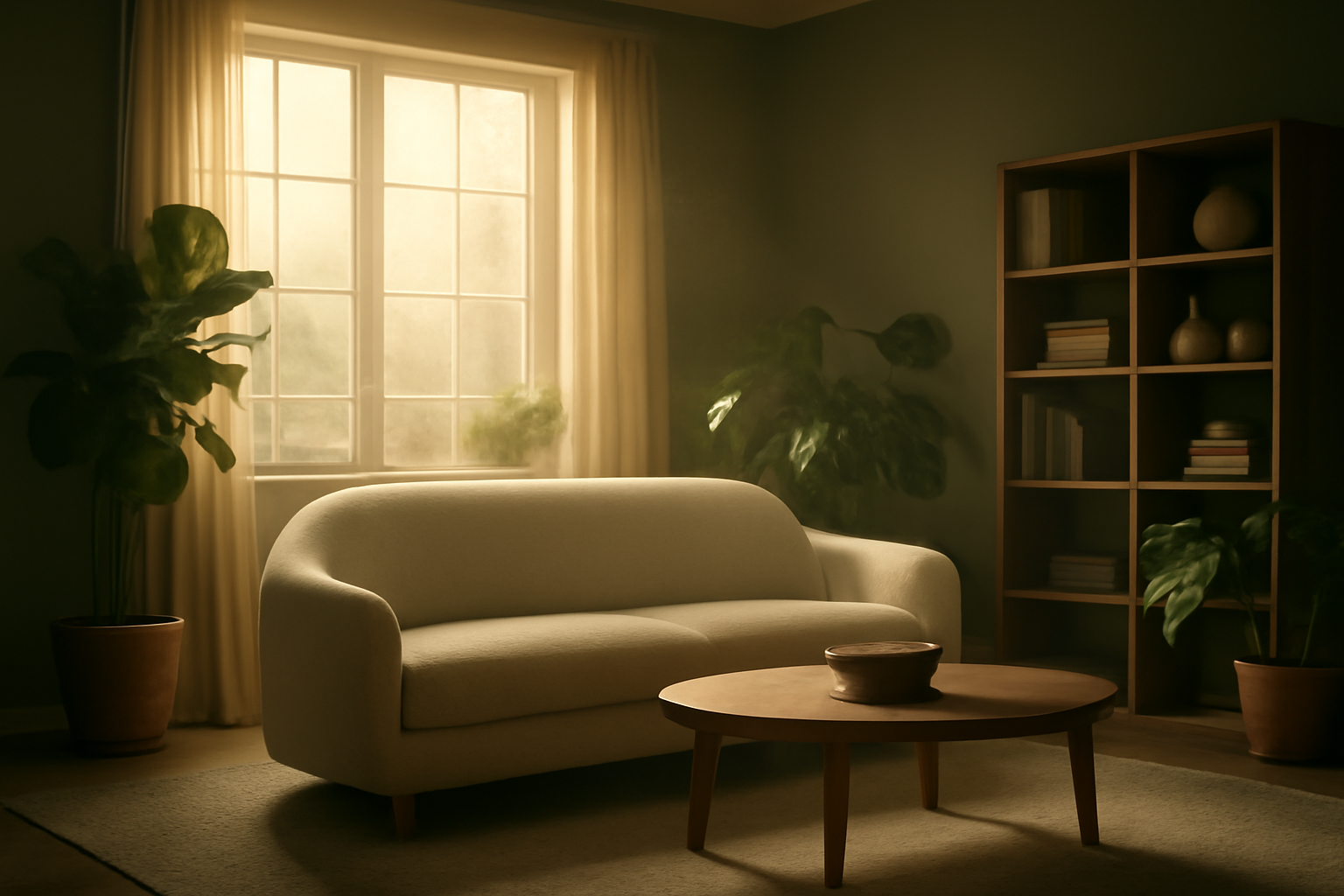
You unlock the door after a long day, drop your keys in the bowl, and step inside. The silence is a welcome reprieve from the world’s noise, yet a subtle tension remains. The overhead light feels harsh, the pile of mail on the counter whispers of undone tasks, and the very space that should be your sanctuary feels… activating. If this sounds familiar, you’re not alone. We intuitively know our surroundings affect our mood, but a growing field of science is finally explaining why—and how we can take control.
This is the core of neuro-aesthetic interior design. Neuro-aesthetic interior design is an evidence-based approach that uses principles from neuroscience and psychology to create spaces that actively improve mental well-being. It focuses on how light, color, texture, and layout impact our brains to measurably reduce stress, enhance focus, and promote a sense of calm.
TL;DR: Your Home, Your Brain
Short on time? Here’s the gist. Neuro-aesthetic interior design is about making intentional choices—backed by science—to create a home that works with your brain, not against it. By optimizing elements like natural light, biophilic elements (hello, plants!), mindful color palettes, and sensory textures, you can transform your living space from a mere physical structure into a powerful tool for mental and emotional restoration.
What Is Neuro-Aesthetic Interior Design, Exactly?
Neuro-aesthetic interior design is where the art of design meets the science of the mind. It’s a discipline that emerged from the broader field of neuroaesthetics, which studies the brain's response to aesthetic experiences like art, music, or architecture. Rather than relying on fleeting trends or purely subjective taste, it asks: How does this particular shape, color, or spatial arrangement make a human brain feel, and why?
According to the Academy of Neuroscience for Architecture (ANFA), the goal is to build a more systematic, brain-based understanding of how we respond to our built environment. When we see soft, curved furniture, our brains perceive it as less threatening than sharp, angular objects. When we are exposed to morning sunlight, our bodies produce hormones that help regulate our sleep-wake cycle. These aren't just pleasantries; they are biological responses. Neuro-aesthetic interior design is the practice of deliberately designing for these positive responses.
“We are wired for beauty,” write Susan Magsamen and Ivy Ross in their book Your Brain on Art. “Our brains and bodies are physically and chemically transformed when we have an aesthetic experience.” Your home is the backdrop for your life; this approach ensures it’s a nurturing one.
How to Optimize Your Home for Mental Well-being: 6 Core Principles
Ready to turn your home into a haven? The principles of neuro-aesthetic design are surprisingly accessible. You don't need a gut renovation or an unlimited budget. It’s about making smarter, more mindful choices. Here’s how to get started.
1. Let There Be (the Right) Light
Light is arguably the single most powerful tool in your design arsenal. It dictates our circadian rhythms, influences our mood, and can make a space feel expansive or claustrophobic.
- Maximize Natural Light: Your brain craves it. Position key furniture like your desk or favorite armchair to take advantage of natural light. Keep window treatments simple to avoid blocking the view and the sun. Exposure to morning sunlight is particularly effective for setting your internal clock and boosting alertness.
- Layer Your Lighting: Relying on a single, harsh overhead fixture is a recipe for a stressed-out nervous system. Instead, layer your lighting with three types:
- Ambient: Overall illumination (e.g., recessed lights on a dimmer).
- Task: Focused light for activities (e.g., a reading lamp, under-cabinet kitchen lights).
- Accent: Light that highlights features (e.g., a spotlight on artwork).
This layering gives you control, allowing you to tailor the mood of the room from bright and energizing to soft and calming.
Table 1: Choosing Your Bulb's Mood
| Light Temperature (Kelvin) | Color Appearance | Typical Use | Psychological Effect |
|---|---|---|---|
| 2000K - 3000K | Warm White, Yellowish | Living rooms, bedrooms, accent | Calming, cozy, intimate, relaxing |
| 3100K - 4500K | Cool White, Bright | Kitchens, bathrooms, home offices | Bright, energizing, promotes focus and alertness |
| 4600K - 6500K | Daylight | Garages, workspaces, task lighting | Intense, mimics natural daylight, good for detail |
2. Embrace Biophilic Design: Bring the Outside In
Biophilic design is a central pillar of neuro-aesthetics. It’s based on the 'biophilia hypothesis'—the idea that humans have an innate tendency to seek connections with nature. Incorporating nature into our homes isn't just decorative; it’s restorative.
A foundational report, "14 Patterns of Biophilic Design," outlines numerous ways to achieve this. Even small doses can have a profound impact. A 2019 study published in Frontiers in Psychology found that as little as 10-20 minutes in a natural setting can lead to a significant drop in the stress hormone cortisol.
How to get there:
- Plants, Plants, Plants: The most direct way. They purify the air, add visual softness, and have been shown to boost creativity and reduce stress.
- Natural Materials: Use materials like wood, stone, bamboo, rattan, and wool. Their textures and imperfections are grounding.
- Nature-Inspired Patterns: Think botanical prints, wood grain patterns, or textiles that evoke natural forms.
- A View to Nature: If you have a window with a view of trees or a garden, make it a focal point. If not, high-quality nature photography can serve as a powerful proxy.
3. Curate a Conscious Color Palette
Color psychology is complex, but the neuro-aesthetic take is that while personal and cultural associations matter, some general principles hold true. Soft, less saturated colors found in nature—like sage greens, earthy browns, and watery blues—tend to be calming. They are less demanding on the brain to process.
Instead of painting an entire room a bold, jarring color, use it as an accent. A splash of energizing yellow in a home office or a deep, enveloping navy in a reading nook can be highly effective. The key is balance and intention.
4. Go Beyond Sight: A Multisensory Experience
A home that feels good engages more than just your eyes. A key part of neuro-aesthetic interior design is creating a rich, multisensory environment.
- Touch (Haptics): Introduce a variety of textures. The contrast between a smooth leather sofa, a nubby wool throw, a cool marble tabletop, and a rough-hewn wooden bowl creates a complex, grounding experience. This tactile feedback can be deeply comforting.
- Sound: Curate your home’s soundscape. Eliminate annoying background hums from appliances where possible. Introduce positive sounds, like a small water feature, wind chimes, or a playlist of calming music. Consider acoustic panels if you live in a noisy area.
- Scent: Smell is powerfully linked to memory and emotion. Use essential oil diffusers with calming scents like lavender or chamomile. Natural aromas from fresh flowers, beeswax candles, or even a pot of herbs on the windowsill contribute to a positive atmosphere.
Table 2: The Sensory Design Toolkit
| Sense | Low-Stress Stimuli | High-Stress Stimuli |
|---|---|---|
| Sight | Natural light, biophilic elements, curved shapes | Harsh fluorescent light, clutter, sharp angles |
| Sound | Nature sounds, soft music, quiet | Traffic noise, appliance hums, loud echoes |
| Touch | Soft textiles, natural materials, varied textures | Cold, hard surfaces, synthetic materials, monotony |
| Smell | Natural aromas (lavender, citrus, wood), fresh air | Artificial air fresheners, stale odors, strong chemicals |
5. Foster Safety and Prospect
The prospect-refuge theory is a fascinating concept in environmental psychology. It posits that we are drawn to spaces that offer both prospect (an unimpeded view of the surroundings) and refuge (a protected, safe place from which to observe). Think of a cozy window seat, a high-backed armchair in a corner, or a bed with a solid headboard against a wall. These configurations tap into a primal need for security, allowing our nervous systems to relax fully.
A home that feels safe is a home that heals. When your brain isn't subconsciously scanning for threats, it can devote its resources to rest, recovery, and creativity. Decluttering is a major part of this; visual chaos creates cognitive overload and a low-grade sense of anxiety.
6. Value Shape, Form, and Flow
Studies using fMRI have shown that our brains tend to prefer curves over sharp angles. Rounded edges on furniture, arched doorways, and circular rugs are perceived as more welcoming and less threatening. This doesn't mean you need to banish every straight line, but consciously incorporating softer shapes can make a room feel more approachable and gentle.
Similarly, consider the flow of a room. Can you move through it easily, or are there awkward obstacles? A clear, logical path reduces mental friction and contributes to an overall sense of ease. This is where minimalism isn't just an aesthetic but a brain-friendly strategy.
Where Should You Start?
Applying these principles across your entire home can feel daunting. Start small.
-
The Bedroom: A Sanctuary for Rest
Prioritize blackout curtains for deep sleep, warm-toned bedside lamps (no blue light before bed!), soft natural bedding (linen or cotton), and a strict no-clutter rule. This is your space for ultimate refuge.
-
The Living Area: A Hub for Connection
Arrange furniture to facilitate conversation. Use layered lighting that can be adjusted for a movie night or a lively gathering. Incorporate plants and a variety of textures in pillows and throws.
-
The Home Office: A Zone for Focus
Position your desk to face a window if possible (prospect!). If not, place inspiring artwork in your line of sight. Use task lighting and keep the space organized to minimize distractions and cognitive load.
Ultimately, neuro-aesthetic interior design is about creating a dialogue between your space and your senses. It’s an invitation to stop seeing your home as a static backdrop and start collaborating with it—crafting a personalized environment that doesn't just look good, but feels deeply, restoratively good.
Frequently Asked Questions About Neuro-Aesthetic Design
What’s the difference between neuro-aesthetic design and feng shui? While both aim to create harmonious environments, neuro-aesthetic design is rooted in modern scientific research from neuroscience and psychology. Feng shui is an ancient Chinese philosophical system based on energy flow ('qi') and metaphysical principles.
Is neuro-aesthetic design expensive? Not at all. Core principles like decluttering, rearranging furniture for better flow, changing lightbulbs, or bringing in a few houseplants are free or low-cost yet have a high impact.
Can I apply these principles in a small apartment or rental? Absolutely. Neuro-aesthetics is about optimizing what you have. Focus on lighting, textiles, plants, and organization. Using mirrors to enhance light and creating a cozy 'refuge' nook can be particularly effective in smaller spaces.
How quickly can you feel the effects? Some effects, like the calm induced by decluttering or sitting in a sunbeam, are immediate. Others, like improved sleep from better light management, may become noticeable over a few days or weeks as your body's rhythms adjust.
“Your home isn’t just a container for your life; it’s a collaborator in your well-being.”
Get the Digest
Sharp, original reporting in your inbox. One weekly email, no noise.
Frequently asked questions
- What is the difference between neuro-aesthetic design and feng shui?
- While both aim to create harmonious environments, neuro-aesthetic design is rooted in modern scientific research from neuroscience and psychology. Feng shui is an ancient Chinese philosophical system based on energy flow ('qi') and metaphysical principles.
- Is neuro-aesthetic design expensive?
- Not necessarily. Core principles like decluttering, rearranging furniture for better flow, changing lightbulbs, or bringing in a few houseplants are free or low-cost yet have a high impact on well-being.
- Can I do this in a small apartment or rental?
- Absolutely. Neuro-aesthetics is about optimizing the space you have. Focus on lighting, textiles, plants, and organization. Using mirrors to enhance light and creating a cozy 'refuge' nook are particularly effective in smaller spaces.
- How quickly can you feel the effects of neuro-aesthetic design?
- Some effects, like the sense of calm from decluttering or sitting in a sunlit spot, are immediate. Others, such as improved sleep from better light management, may become noticeable over a few days or weeks as your body circadian rhythms adjust.