The Mindful Home: A Guide to Neuro-Aesthetic Interior Design
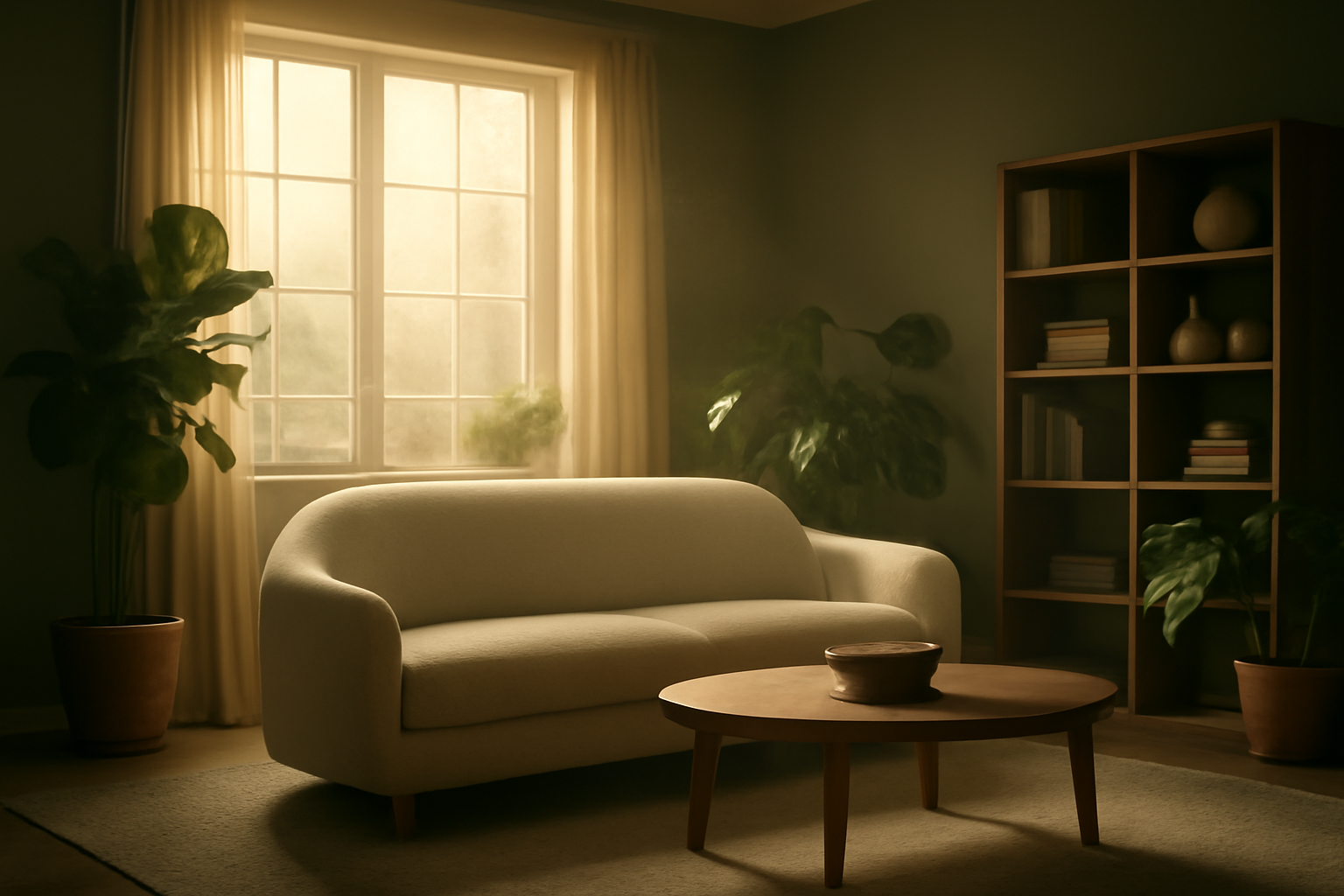
It’s more than just good taste—it’s science. Here’s how to harness the power of neuroaesthetics to design a home that actively improves your mental well-being.
Guide
Everything our newsroom has reported on interior design, drawn from 2 original stories.
Neuro-aesthetic design uses scientific principles from neuroscience and psychology to create living spaces that actively improve mental and emotional health.
Source: The Mindful Home: A Guide to Neuro-Aesthetic Interior DesignKey elements include maximizing natural light, incorporating biophilic design (nature), using a conscious color palette, and engaging multiple senses like touch and sound.
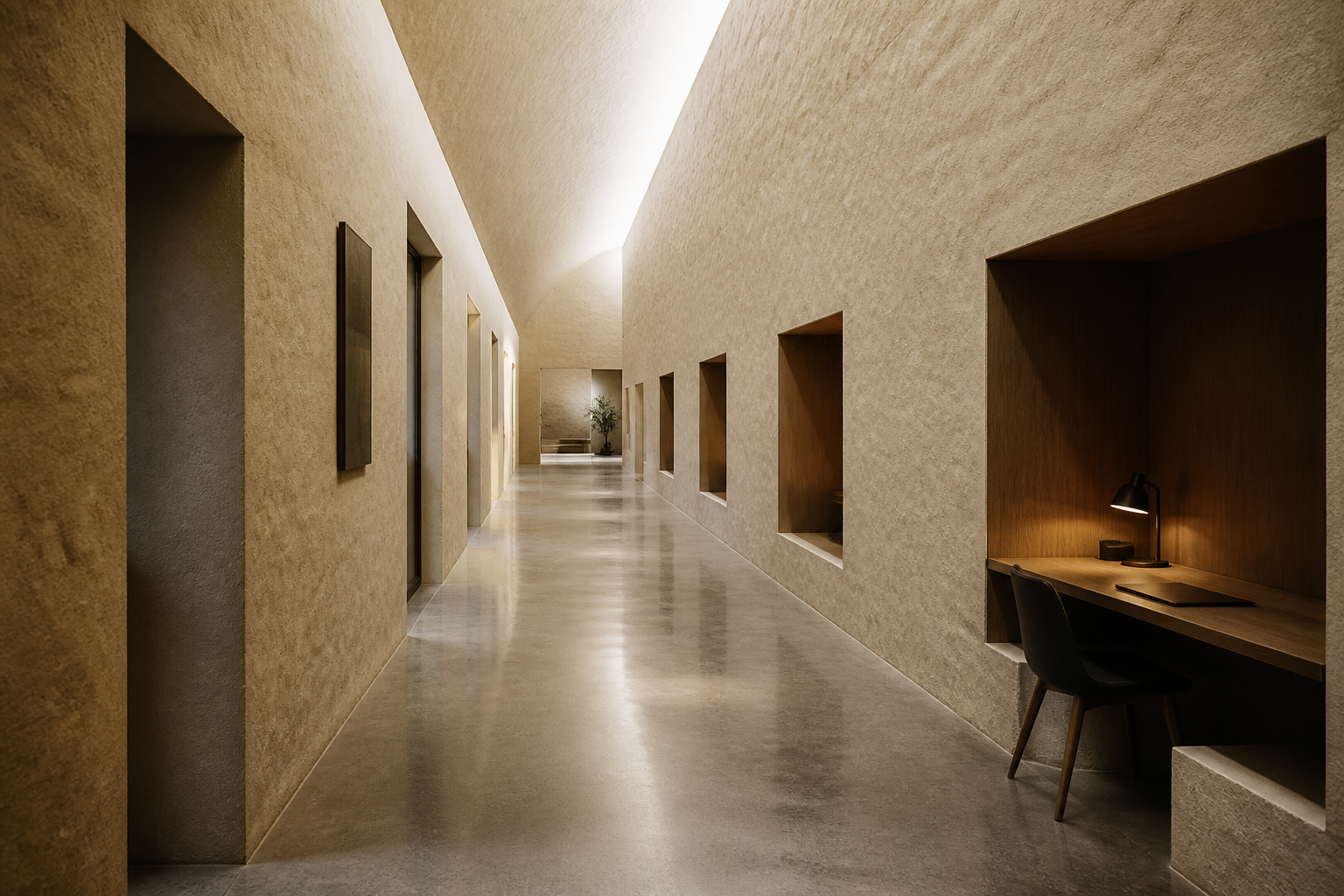
Source: The Mindful Home: A Guide to Neuro-Aesthetic Interior DesignThe 'serendipity' of open-plan offices is being replaced by the intentional 'stillness' of neo-monastic architecture.
Source: The Silence of the Vault: The Neo-Monastic Turn in Office DesignArchitects are utilizing heavy materials like masonry and rammed earth to provide physical and acoustic isolation.
Source: The Silence of the Vault: The Neo-Monastic Turn in Office DesignThe average American spends 90% of their life indoors, making our home environment critical to health (Source: EPA).
Workers in offices with natural elements like plants and sunlight were 15% more productive (Source: Human Spaces Report).
Estimated loss in cognitive output due to acoustic distractions in open offices.
The time it takes for a worker to regain deep focus after a single interruption.
“Your home isn’t just a container for your life; it’s a collaborator in your well-being.”
While both aim to create harmonious environments, neuro-aesthetic design is rooted in modern scientific research from neuroscience and psychology. Feng shui is an ancient Chinese philosophical system based on energy flow ('qi') and metaphysical principles.
Source: The Mindful Home: A Guide to Neuro-Aesthetic Interior DesignNot necessarily. Core principles like decluttering, rearranging furniture for better flow, changing lightbulbs, or bringing in a few houseplants are free or low-cost yet have a high impact on well-being.
Source: The Mindful Home: A Guide to Neuro-Aesthetic Interior DesignAbsolutely. Neuro-aesthetics is about optimizing the space you have. Focus on lighting, textiles, plants, and organization. Using mirrors to enhance light and creating a cozy 'refuge' nook are particularly effective in smaller spaces.
Source: The Mindful Home: A Guide to Neuro-Aesthetic Interior DesignIt is a movement in architecture that prioritizes thick walls, acoustic isolation, and simple, heavy materiality—inspired by monasteries—to facilitate deep work.
Source: The Silence of the Vault: The Neo-Monastic Turn in Office DesignOpen-plan offices fail to protect the user's focus, leading to cognitive fatigue and decreased productivity; Neo-Monastic spaces provide the necessary security for flow states.
Source: The Silence of the Vault: The Neo-Monastic Turn in Office DesignSolid stone, rammed earth, heavy timber, and lime-wash plaster are preferred for their thermal mass and acoustic deadening properties.
Source: The Silence of the Vault: The Neo-Monastic Turn in Office DesignIt’s more than just good taste—it’s science. Here’s how to harness the power of neuroaesthetics to design a home that actively improves your mental well-being.
As open-plan fatigue reaches a breaking point, architects are looking to 12th-century Cistercian abbeys to solve the 21th-century crisis of focus.

It’s more than just good taste—it’s science. Here’s how to harness the power of neuroaesthetics to design a home that actively improves your mental well-being.

As open-plan fatigue reaches a breaking point, architects are looking to 12th-century Cistercian abbeys to solve the 21th-century crisis of focus.
Sharp, original reporting in your inbox. One weekly email, no noise.